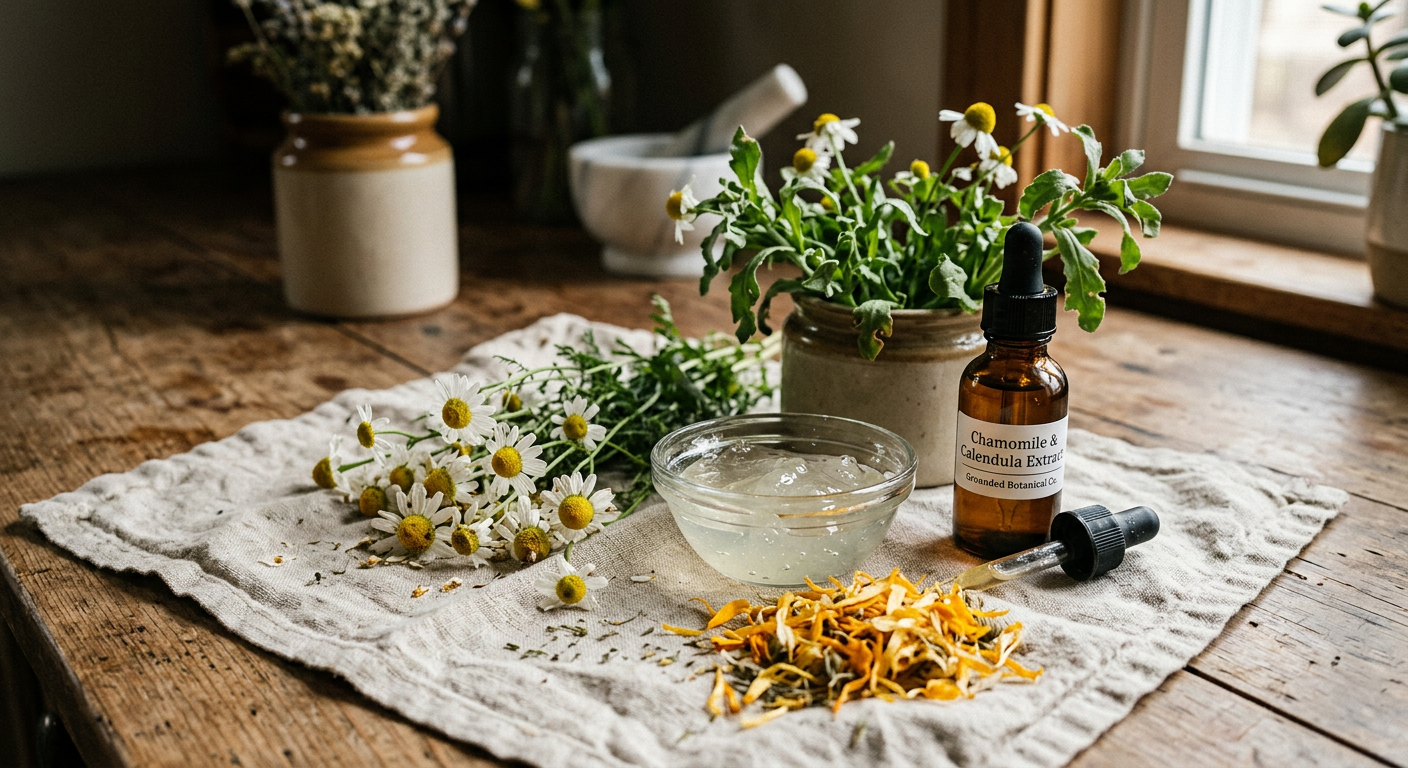
How to Start Your NatureGlow Routine: A Beginner's Step-by-Step Guide to Botanical Skincare for Sensitive Skin
If you've been searching for a skincare approach that feels gentle, effective, and aligned with your values, botanical skincare might be exactly what you need. For those with sensitive skin, the shift from conventional products to plant-based alternatives can feel transformative—but only if you know where to start. This guide walks you through the essentials of building a NatureGlow routine using three powerhouse botanicals: chamomile, calendula, and aloe vera. Each has a rich history in traditional skincare, and each offers unique benefits for skin that needs extra care and attention.
What Is Botanical Skincare?
Botanical skincare harnesses the healing properties of plants—flowers, leaves, roots, and seeds—to nourish and support skin health. Unlike synthetic formulations, botanical ingredients work with your skin's natural processes rather than against them. For sensitive skin, this matters enormously. Botanical products tend to be gentler, less likely to trigger irritation, and often contain fewer chemical additives that can compromise your skin barrier.
The philosophy behind botanical skincare is simple: nature has already done the work. Plants have evolved complex compounds—flavonoids, polysaccharides, and antioxidants—specifically designed to protect and heal. When we extract and apply these compounds thoughtfully, we're tapping into millions of years of botanical wisdom.
Clean beauty, the broader movement that botanical skincare sits within, prioritises transparency, safety, and efficacy. It means knowing what's in your products, understanding why each ingredient is there, and trusting that nothing harmful is hiding in the fine print.
The Three Botanical Pillars for Sensitive Skin
Chamomile: The Calming Foundation
What It Is
Chamomile (Matricaria chamomilla) is a delicate flowering plant with a long history in skincare and wellness traditions. The dried flowers are typically brewed into infusions, distilled into hydrosols, or extracted into concentrated oils and tinctures. In skincare, chamomile appears most commonly as a hydrosol (also called floral water), a gentle extract, or an infused oil.
Key Properties
Chamomile contains compounds including apigenin and bisabolol, which are traditionally associated with calming and soothing properties. According to the NIH NCCIH, while research on chamomile for specific skin conditions remains limited, preliminary studies suggest potential benefit for skin inflammation and irritation when applied topically. The herb has been used for centuries to support skin comfort and is recognised by herbalists as a gentle vulnerary—a plant that may help support the skin's natural healing processes.
Skin Benefits for Sensitive Skin
Chamomile may help reduce the appearance of redness and irritation, making it ideal for reactive or inflamed skin. It's traditionally used to support skin barrier function and may help calm skin that feels tight, uncomfortable, or reactive to environmental stressors. For those prone to sensitivity, chamomile offers a non-irritating way to introduce active plant support into a routine.
How to Use
Start with a chamomile hydrosol as a gentle toner or facial mist. After cleansing with lukewarm water, spray or pat the hydrosol onto damp skin. You can also brew a strong chamomile tea, let it cool, and use it as a rinse or compress. For a richer application, look for serums or oils infused with chamomile extract. Apply these to clean, damp skin before moisturiser.
Safety Notes
Chamomile is generally well-tolerated and has a low safety concern profile for topical use. However, if you have a known allergy to plants in the Asteraceae family (ragweed, chrysanthemums, daisies), patch-test chamomile products first on a small area of inner arm skin. Wait 24 hours to ensure no reaction occurs before applying to your face.
Calendula: The Skin-Supportive Workhorse
What It Is
Calendula (Calendula officinalis), also known as pot marigold, is a vibrant orange-yellow flower with a centuries-long reputation in skincare. The petals are dried and infused into oils, hydrosols, or concentrated extracts. Calendula is one of the most studied botanical skincare ingredients and is recognised by the European Medicines Agency's Herbal Medicinal Products Committee (EMA HMPC) for traditional use in minor skin concerns.
Key Properties
Calendula contains flavonoids, carotenoids, and polysaccharides that support skin health. The EMA HMPC recognises calendula for traditional use in supporting minor wounds, skin inflammation, and general skin comfort when applied topically. Research has explored calendula's role in supporting the skin's natural healing processes, and some studies suggest positive findings for wound support and skin resilience.
Skin Benefits for Sensitive Skin
Calendula may help support skin barrier repair and resilience, making it particularly valuable for sensitive, reactive, or compromised skin. It's traditionally used to soothe irritation, support the appearance of healthy skin tone, and promote a more even complexion. For those dealing with sensitivity, redness, or skin that feels fragile, calendula offers gentle, consistent support.
How to Use
Calendula infused oil is the most accessible form for home skincare. Apply a few drops to clean, damp skin as a serum or mix into your moisturiser for added support. You can also find calendula hydrosols, which work beautifully as a gentle toner. For a more intensive treatment, create a calendula compress: steep dried calendula petals in warm (not hot) water for 10 minutes, soak a clean cloth, and apply to sensitive areas for 5–10 minutes. Use this 2–3 times weekly.
Safety Notes
Calendula has an excellent topical safety profile and is generally well-tolerated by sensitive skin. As with chamomile, if you have allergies to the Asteraceae family, patch-test first. Calendula is not typically used internally in skincare routines, so focus on topical applications only.
Aloe Vera: The Hydrating Soother
What It Is
Aloe vera (Aloe barbadensis) is a succulent plant with thick, fleshy leaves containing a clear gel. This gel is the skincare-relevant part—distinct from aloe latex, the yellow substance found just beneath the plant's outer skin. For skincare purposes, we're exclusively discussing topical aloe gel, which is widely available in pure form or as an ingredient in serums and moisturisers.
Key Properties
Aloe gel contains polysaccharides, amino acids, and antioxidants. According to the NIH NCCIH, topical aloe gel combined with other treatments may help support skin health, and some research suggests it may help speed the skin's natural healing processes when applied to minor irritation or sun-exposed skin. Topical aloe gel is widely recognised as safe and is one of the most studied botanical skincare ingredients.
Skin Benefits for Sensitive Skin
Aloe vera gel is exceptionally hydrating and may help support skin barrier function, making it ideal for dry, sensitive, or reactive skin. It's traditionally used to soothe irritation, reduce the appearance of redness, and provide lightweight hydration without heaviness. For those with sensitive skin that feels tight or uncomfortable, aloe gel offers immediate relief and longer-term barrier support.
How to Use
Apply pure aloe gel directly to clean skin as a lightweight moisturiser, or layer it under a richer cream for added hydration. You can also mix aloe gel into serums or use it as a base for DIY skincare blends. For sensitive skin, use aloe gel as your primary hydrating step—it absorbs quickly and rarely causes irritation. Apply to damp skin to lock in hydration.
Safety Notes
Topical aloe gel is very safe and has a low safety concern profile. However, do not ingest aloe latex (the yellow substance under the leaf skin)—it was removed from the US OTC laxative market by the FDA in 2002 due to safety concerns. For skincare, use only the clear gel. If you have very reactive skin, patch-test aloe gel on your inner arm first and wait 24 hours before applying to your face.
Building Your Step-by-Step NatureGlow Routine
Step 1: Cleanse Gently
Begin with a gentle, plant-based cleanser that removes impurities without stripping your skin. Look for cleansers with minimal ingredients—ideally including a mild botanical oil or extract. Massage the cleanser onto damp skin for 30 seconds, then rinse with lukewarm water. Pat dry gently; do not rub.
Step 2: Tone with Chamomile or Calendula Hydrosol
After cleansing, while your skin is still slightly damp, apply a chamomile or calendula hydrosol using a cotton pad or by misting directly onto your face. This step rebalances your skin's pH and prepares it to receive the next layers of care. Hydrosols are gentle enough to use twice daily.
Step 3: Apply Targeted Serums
If you're addressing specific concerns—redness, irritation, or compromised barrier function—this is the moment for a concentrated botanical serum. A calendula-infused serum or a chamomile extract can provide targeted support. Apply 2–3 drops to damp skin and gently press into place.
Step 4: Hydrate with Aloe Gel or Botanical Moisturiser
Layer aloe vera gel onto damp skin, or choose a lightweight moisturiser that includes aloe as a key ingredient. For sensitive skin, less is often more—a thin layer of hydrating gel is preferable to a heavy cream that might feel occlusive. Allow the gel to absorb for a minute before moving to the next step.
Step 5: Seal with a Nourishing Oil (Optional)
If your skin feels particularly dry or reactive, finish with a few drops of a botanical oil—jojoba, rosehip, or calendula-infused oil work beautifully. This seals in hydration and provides an extra layer of barrier support. Use sparingly; a little goes a long way.
Best Botanical Combinations for Sensitive Skin
The Calming Trio
Chamomile hydrosol + calendula-infused oil + aloe gel creates a powerfully soothing routine. This combination addresses redness, irritation, and barrier compromise simultaneously. Use this sequence morning and evening for maximum benefit.
The Hydration Stack
Calendula hydrosol + aloe gel + jojoba oil provides deep hydration without irritation. This is ideal if your sensitive skin is also dry or dehydrated. The calendula supports barrier repair, aloe provides lightweight hydration, and jojoba seals everything in.
The Minimalist Approach
If you prefer simplicity, chamomile hydrosol + aloe gel is a complete, effective routine. This two-step approach is perfect for very reactive skin or during flare-ups when you want to strip everything back to essentials.
The Evening Intensive
Chamomile hydrosol + calendula-infused oil + aloe gel + a heavier botanical moisturiser creates a restorative evening routine. Your skin repairs itself at night, so this is the moment to provide maximum botanical support.
Patch-Testing: The Essential First Step
Before introducing any new botanical product to your routine, patch-test it first. This is non-negotiable for sensitive skin. Here's how:
1. Choose a small area of skin on your inner arm or behind your ear.
2. Apply a small amount of the product and leave it undisturbed for 24 hours.
3. Observe for any redness, itching, burning, or swelling.
4. If no reaction occurs, the product is likely safe for your face.
Even if you've used a botanical before, patch-test new formulations or brands. Sensitivity can vary based on concentration, processing method, and individual skin chemistry.
Common Mistakes to Avoid
Introducing Too Many Products at Once
If you introduce chamomile, calendula, and aloe simultaneously and your skin reacts, you won't know which ingredient caused the issue. Add one product every 1–2 weeks.
Using Products on Broken or Severely Inflamed Skin Without Professional Guidance
If your skin barrier is severely compromised or you have active infections, consult a dermatologist before starting any new routine. Botanical products are supportive, not medicinal treatments for serious conditions.
Skipping the Hydrosol Step
Hydrosols are gentler than essential oils and more effective than water alone. They're the unsung hero of botanical skincare for sensitive skin—don't skip this step.
Over-Applying Oils
A little botanical oil goes a long way. Using too much can clog pores or feel heavy on sensitive skin. Start with 2–3 drops and adjust based on how your skin responds.
Ignoring Seasonal Changes
Your skin's needs shift with the seasons. In winter, you may need richer formulations; in summer, lighter hydration. Adjust your routine accordingly, always keeping botanical support consistent.
Safety Considerations and When to Seek Professional Advice
Botanical skincare is generally very safe, but sensitivity is individual. If you experience persistent redness, swelling, burning, or any sign of allergic reaction, discontinue use immediately and consult a dermatologist. Some people may have sensitivities to specific plant families—if you know you react to ragweed or other Asteraceae plants, exercise extra caution with chamomile and calendula.
If you're pregnant, nursing, taking medications, or managing a diagnosed skin condition, speak with a healthcare professional before introducing new botanical products. While topical botanical skincare is typically safe during pregnancy, it's wise to confirm with your provider.
Remember: botanical skincare is a complement to, not a replacement for, professional medical advice. If your skin concerns persist or worsen, see a dermatologist.
The Long-Term Vision: Building Sustainable Skincare Habits
Starting a NatureGlow routine is about more than just products—it's about building a sustainable, mindful approach to skincare that honours both your skin and the environment. Botanical skincare encourages you to slow down, understand your skin's needs, and choose ingredients intentionally.
Over time, you'll notice that your skin becomes more resilient, less reactive, and genuinely glowing. This isn't because botanical products work miracles overnight; it's because you're supporting your skin's natural processes consistently, gently, and with ingredients your skin recognises and trusts.
Start with the basics: a gentle cleanser, a hydrosol, aloe gel, and one botanical oil. Observe how your skin responds. Adjust as needed. Add complexity only when your foundation is solid. This patient, intentional approach is the heart of true botanical skincare.
Your skin has everything it needs to thrive—sometimes it just needs the right botanical support to remember how.