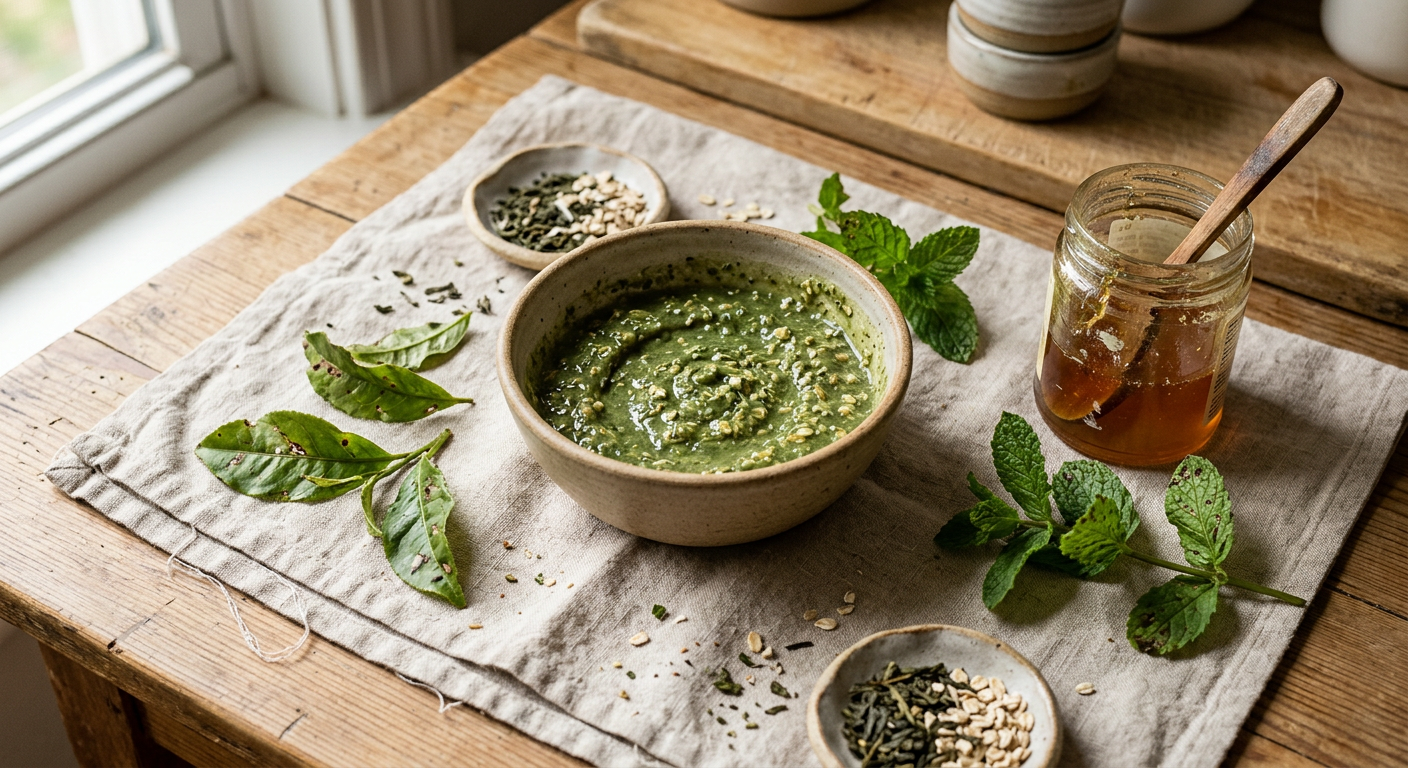
Green Tea and Honey Brightening Face Mask: A DIY Recipe for Radiant Skin
If you're looking for a simple, effective way to brighten dull skin and boost your complexion's natural glow, this green tea and honey mask combines two powerhouse botanicals into one luxurious ritual. Green tea is rich in catechins—particularly EGCG (epigallocatechin gallate)—a potent polyphenol that research suggests may help protect skin from environmental stressors and support a more luminous appearance. Honey brings gentle humectant properties, drawing moisture into the skin while offering soothing botanical compounds. Together, they create a mask that feels like a spa treatment and works to support your skin's natural radiance.
Why Green Tea and Honey Work Together
Green tea's antioxidant profile is one of the most studied in skincare science. According to research published in dermatology journals, EGCG and other catechins in green tea possess free-radical-scavenging properties that may help protect skin cells from oxidative stress—a key factor in visible ageing and dullness. When applied topically, these compounds can penetrate the skin's outer layers and support its natural defence mechanisms.
Honey complements this action by providing humectant moisture and trace minerals. Raw, unpasteurised honey also contains enzymes and mild antimicrobial compounds that have been used in traditional skincare for centuries. The combination creates a mask that hydrates while delivering antioxidant support—ideal for anyone seeking a brighter, more even complexion.
Ingredients (Makes 1–2 applications)
- 2 tablespoons brewed green tea (cooled to room temperature)
- 1 tablespoon raw, unpasteurised honey
- ½ teaspoon ground oatmeal (finely milled; optional, for gentle exfoliation)
- 1 drop of jojoba oil (optional, for extra hydration on dry skin types)
Why these amounts matter: The ratio of tea to honey ensures the mask stays spreadable while maintaining potency. Green tea loses some catechin content when brewed, but a strong brew (steeped for 3–5 minutes) retains significant EGCG levels. Honey's thickness balances the liquid, creating a paste that adheres to skin without dripping.
Step-by-Step Method
Preparation:
1. Brew 2 tablespoons of loose-leaf or bagged green tea in 4 tablespoons of hot water (around 70–80°C / 160–175°F). Steep for 3–5 minutes to maximise catechin extraction.
2. Pour the brewed tea into a clean glass or ceramic bowl and allow it to cool completely to room temperature. This prevents the honey from thinning and ensures the mask won't be too hot for sensitive facial skin.
3. Once cooled, measure out 2 tablespoons of the brewed tea and discard the remainder (or drink it—green tea is equally beneficial internally).
4. Add 1 tablespoon of raw honey to the cooled tea and stir gently until well combined. The mixture should resemble a thick paste.
5. If using oatmeal, add ½ teaspoon and mix thoroughly. If your skin is very dry, add 1 drop of jojoba oil and blend until smooth.
Consistency check: The mask should be thick enough to stay on your face without sliding down, but spreadable enough to apply with a clean brush or fingertips. If it's too thick, add a few drops of cooled tea. If it's too thin, add a pinch more oatmeal or honey.
How to Use
1. Cleanse: Start with a clean face. Use a gentle, pH-balanced cleanser to remove any makeup, sunscreen, or impurities. Pat skin dry with a clean towel.
2. Patch test first (see safety section below): Before applying the full mask, test a small amount on your inner arm or behind your ear and wait 24 hours to check for any reaction.
3. Apply: Using clean fingers or a soft facial brush, apply an even layer of the mask to your face, avoiding the delicate eye and lip areas. Work in upward strokes to support lymphatic drainage.
4. Set and relax: Leave the mask on for 10–15 minutes. As it dries slightly, you may feel a gentle tightening—this is normal. Set a timer to avoid over-application.
5. Rinse: Rinse thoroughly with lukewarm water, using gentle circular motions. Follow with your regular toner or hydrating essence, then apply your usual moisturiser while skin is still slightly damp to lock in hydration.
6. Frequency: Use this mask 1–2 times per week, depending on your skin type. Those with oily or combination skin may tolerate twice-weekly use; sensitive or dry skin types should start with once weekly and adjust as needed.
Skin Benefits of EGCG and Green Tea Antioxidants
EGCG is one of the most abundant catechins in green tea and has been the subject of numerous skincare studies. Research suggests that when applied topically, EGCG may:
- Support skin barrier function by helping to protect against free-radical damage from UV exposure and environmental pollutants
- Promote a more even skin tone by supporting the skin's natural renewal processes
- Reduce the appearance of congestion through its mild astringent properties, making it particularly beneficial for combination or oily skin
- Enhance skin luminosity by supporting hydration and reducing visible dullness
The broader antioxidant profile of green tea—which includes other catechins, polyphenols, and flavonoids—works synergistically to create a protective, brightening effect. Honey amplifies this by providing humectant moisture and trace minerals like zinc and selenium, which support skin health at a cellular level.
Shelf Life and Storage
This mask is best made fresh and used immediately. However, if you have leftover mixture:
- Refrigerated storage: Store in a clean glass jar with a tight-fitting lid in the refrigerator for up to 3 days. The cooler temperature may actually enhance the soothing effect when applied.
- Do not freeze: Freezing can alter the texture and reduce the efficacy of the honey's enzymes.
- Discard after 3 days: After this point, the tea's catechin content begins to degrade, and honey's antimicrobial properties are less reliable in a mixed formula.
Pro tip: If you prefer convenience, brew a batch of strong green tea, cool it completely, and store it in a glass bottle in the fridge for up to 5 days. Mix fresh portions with honey as needed.
Safety Notes and Patch Testing
Patch test before full application: This is non-negotiable, even with natural ingredients. Some people may experience sensitivity to green tea or honey.
1. Mix a small amount of the mask (about the size of a pea).
2. Apply it to clean skin on your inner arm, behind your ear, or on a small area of your jawline.
3. Leave it on for 10–15 minutes, then rinse.
4. Wait 24 hours and observe for any redness, itching, swelling, or irritation.
5. If no reaction occurs, the mask is safe for your face.
Who should avoid or use with caution:
- Honey allergy: If you have a known allergy to honey or bee products, do not use this mask.
- Green tea sensitivity: Rare, but some people experience irritation from topical green tea. If you have very sensitive skin, start with a shorter application time (5 minutes) and gradually increase.
- Active breakouts or open wounds: Avoid applying the mask directly to active acne lesions or broken skin. The mask is best suited for maintenance and brightening, not acute treatment.
- Pregnancy: While topical green tea and honey are generally considered safe during pregnancy, consult your healthcare provider before introducing new skincare products.
- Caffeine sensitivity: Green tea contains trace amounts of caffeine. If you have extremely reactive skin, this is unlikely to cause issues, but it's worth noting.
If irritation occurs: Rinse immediately with cool water and discontinue use. Follow with your regular moisturiser. If irritation persists, consult a dermatologist.
Customisation for Your Skin Type
Oily or combination skin: Add an extra ¼ teaspoon of ground oatmeal for mild exfoliation and oil-control support.
Dry or sensitive skin: Omit the oatmeal and add 1–2 drops of jojoba or rosehip oil to increase hydration.
Mature skin: Brew the green tea with a small piece of fresh ginger (about the size of a pea) for added antioxidant support and gentle circulation stimulation. Remove the ginger before mixing with honey.
Congestion-prone skin: Add 1 drop of tea tree essential oil (diluted in the jojoba oil first) for enhanced clarifying support. Use sparingly—essential oils are potent.
The Ritual: Making It Part of Your Glow Routine
The beauty of this mask extends beyond its ingredients. The act of preparing it—brewing the tea, measuring the honey, taking 15 minutes to sit with your skin—is itself a form of self-care. This ritual signals to your nervous system that you're prioritising your wellbeing, which can reduce stress-related skin concerns and enhance the mask's benefits.
Consider pairing this mask with a calming activity: light stretching, journaling, or simply sitting quietly with a cup of herbal tea. The combination of botanical support and mindful ritual creates a holistic approach to radiance that goes beyond topical application.
Final Thoughts
This green tea and honey brightening mask is a testament to the power of simple, whole-plant ingredients. By harnessing the antioxidant strength of EGCG and the hydrating, soothing properties of honey, you're giving your skin a weekly boost of natural support—without synthetic additives, preservatives, or unnecessary complexity. Whether you're new to DIY skincare or a seasoned herbalist, this recipe offers an accessible entry point into botanical beauty rituals that truly work.
Start with a patch test, brew your tea mindfully, and allow yourself the gift of this simple, nourishing practice. Your skin—and your wellbeing—will thank you.