DIY Aloe Vera Face Mask: A 3-Ingredient Recipe for Sensitive Skin
Sensitive skin deserves gentleness, not a complicated routine. If you're tired of multi-step skincare that leaves your face feeling reactive or irritated, a simple aloe vera face mask might be exactly what you need. The beauty of this DIY approach is that you likely have most of these ingredients already in your kitchen or bathroom.
Why Aloe Vera Works for Sensitive Skin
Aloe vera has been used in skincare for centuries, and for good reason. This succulent plant contains compounds that may help calm inflammation, reduce redness, and support your skin's natural moisture barrier. When your skin is sensitive, it's often because that barrier is compromised — aloe vera works to soothe and hydrate without harsh actives or fragrance.
The gel inside aloe leaves is lightweight and absorbs quickly, making it ideal for reactive skin types. It doesn't clog pores and won't leave a heavy residue that sensitive skin tends to reject.
The 3-Ingredient Aloe Vera Face Mask Recipe
Ingredients:
- 2 tablespoons fresh aloe vera gel (or pure aloe gel from a tube)
- 1 teaspoon raw honey
- ½ teaspoon chamomile-infused water (or plain distilled water)
What Each Ingredient Does:
Aloe Vera Gel
Aloe is the star here. It's naturally soothing, hydrating, and may help reduce irritation and redness. The gel penetrates quickly without feeling heavy, making it perfect for sensitive skin that reacts to occlusive products. If you're using fresh aloe from a plant, cut a leaf, scoop out the inner gel, and use immediately for maximum potency.
Raw Honey
Honey is a humectant, meaning it draws moisture into your skin and locks it there. It also has traditionally been used for its calming properties. Raw honey (unpasteurized) retains more of its natural enzymes and compounds, though any pure honey will work. This ingredient adds a touch of nourishment without being heavy.
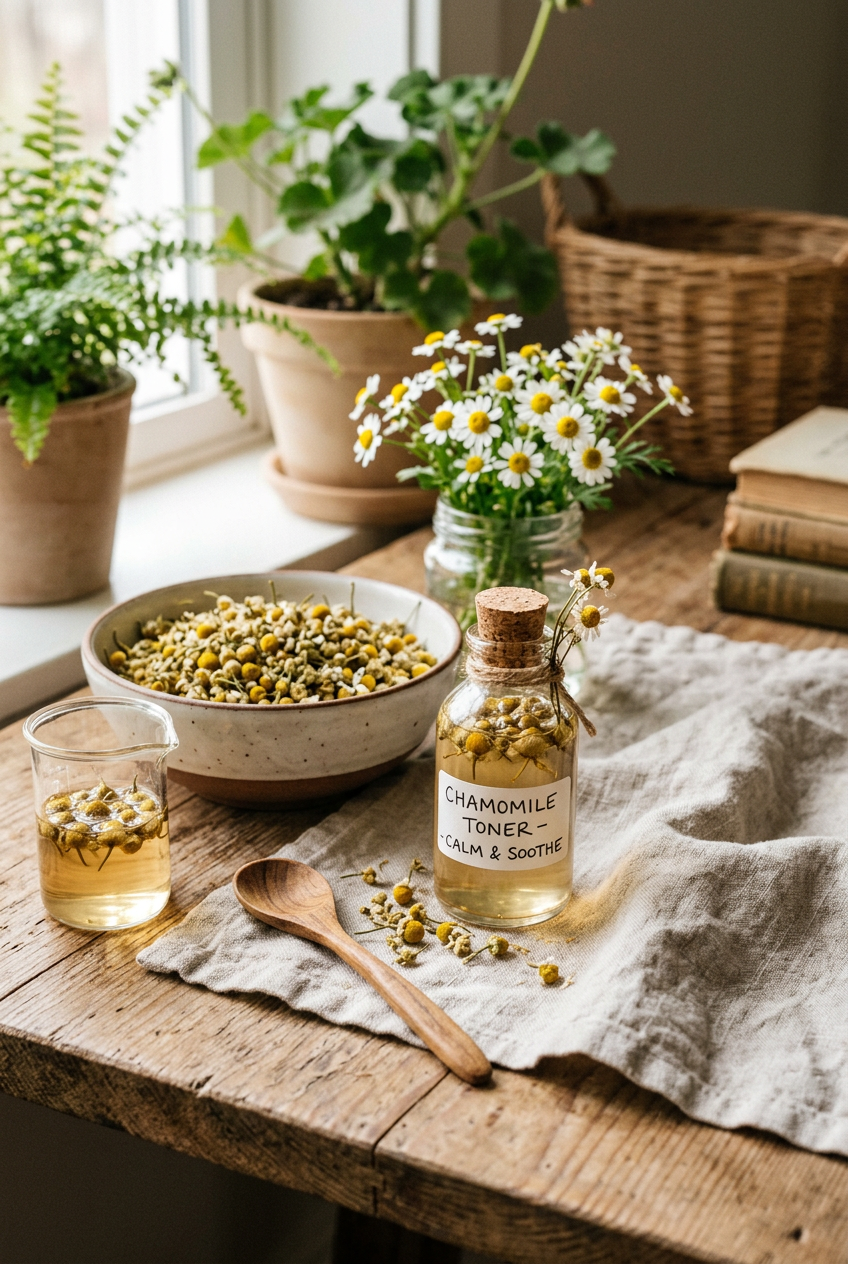
Chamomile-Infused Water
Chamomile is known for its gentle, calming nature and is commonly used in skincare formulations. To prepare chamomile-infused water, brew a cup of chamomile tea, let it cool completely, and use that liquid. If you don't have chamomile tea on hand, distilled water works fine — it simply helps bring the mask to a spreadable consistency. Chamomile adds an extra layer of soothing support for reactive skin, though the distilled water alternative is equally effective for texture.
How to Make and Use It
Preparation:
1. In a small bowl, combine the aloe vera gel and raw honey.
2. Stir well until the honey is fully incorporated (it may take a minute or two).
3. Add the chamomile water a few drops at a time until you reach a smooth, spreadable consistency — not too thick, not too runny.
Application:
1. Cleanse your face with a gentle, fragrance-free cleanser and pat dry.
2. Apply an even layer of the mask to your face, avoiding the eye area.
3. Leave on for 10–15 minutes. You'll feel it setting slightly as it dries.
4. Rinse with lukewarm water and gently pat dry.
5. Follow with your regular moisturizer to seal in hydration.
Frequency:
Use this mask 1–2 times per week. Since it's gentle, you can use it more often if your skin tolerates it well, but start conservatively if your skin is very reactive.
Storage and Shelf Life
This mask is best made fresh each time, but you can prepare a small batch and store it in an airtight container in the refrigerator for up to 3 days. The honey acts as a natural preservative, but fresh is always ideal for maximum benefit.
Tips for Sensitive Skin Success
- Patch test first. Apply a small amount to your inner arm or behind your ear 24 hours before using on your face, especially if you're new to DIY masks.
- Use distilled or filtered water. Tap water can contain minerals or chlorine that may irritate sensitive skin.
- Fresh aloe is best. If you have an aloe plant at home, the fresh gel is more potent than bottled versions. Store-bought pure aloe gel is a convenient alternative.
- Don't over-apply. A thin, even layer is more effective than a thick one and reduces the risk of irritation.
- Listen to your skin. If redness or irritation develops, rinse immediately and skip this mask in the future.
Why This Recipe Works for Sensitive Skin
The strength of this three-ingredient mask is its simplicity. Sensitive skin often reacts to fragrance, essential oils, preservatives, and unnecessary additives. By keeping the ingredient list short and using whole-food components, you're giving your skin exactly what it needs — hydration, gentle soothing, and support — without unnecessary complexity.
Aloe vera, honey, and chamomile have been trusted by skincare practitioners for generations. This mask brings that wisdom into your home, letting you create a calming ritual that respects your skin's needs.