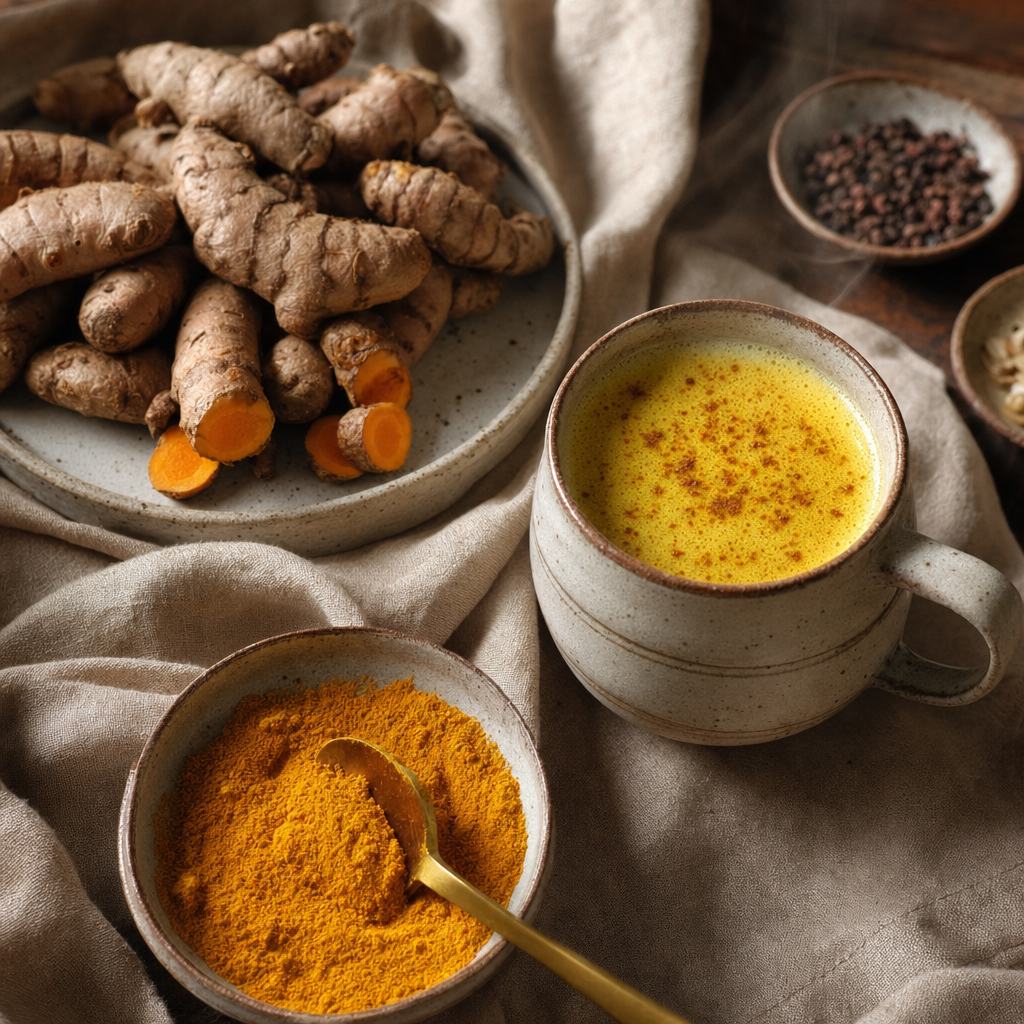
Turmeric: The Golden Root of Ancient Wellness
Overview
Turmeric (Curcuma longa), known as Indian saffron, has been a cornerstone of traditional medicine systems for thousands of years. This vibrant golden-orange rhizome belongs to the ginger family and is native to South Asia, where it has been cultivated and revered for both culinary and medicinal purposes since ancient times. The plant's distinctive colour comes from its primary active compound, curcumin, which has become the focus of modern scientific inquiry into turmeric's traditional health applications.
In traditional Ayurvedic and Chinese medicine systems, turmeric was valued as a warming, bitter herb believed to support circulation, digestion, and the body's natural inflammatory response. The rhizome was traditionally prepared as powders, pastes, and infusions, often combined with other herbs and spices to enhance its effects. Today, turmeric remains one of the most researched botanical ingredients, bridging ancient wisdom with contemporary wellness exploration.
Traditional Uses
Across centuries and cultures, turmeric has held a prominent place in herbal practice. In Ayurvedic medicine, turmeric was traditionally used to support joint comfort and mobility, particularly in practices addressing stiffness and discomfort associated with movement and ageing. The herb was also traditionally employed as a digestive support, believed to stimulate the body's natural processes and promote healthy digestion.
Traditional Chinese medicine incorporated turmeric rhizome (known as jianghuang) into formulations designed to support healthy circulation and address areas of discomfort. In both systems, turmeric was valued for its warming properties and was often combined with black pepper or ginger to enhance absorption and efficacy.
European herbalists, particularly during the medieval period, adopted turmeric as a spice and medicinal agent, recognising its potential to support the body's natural responses to stress and minor discomforts. The herb was traditionally used in wound care preparations and was believed to support skin health when applied topically or taken internally.
Modern Evidence Summary
Contemporary research has begun to explore the mechanisms behind turmeric's traditional applications. According to NIH NCCIH, initial evidence suggests that turmeric may benefit knee pain and stiffness in osteoarthritis, though higher-quality evidence is needed to establish definitive recommendations. The research focus has centred on curcumin, turmeric's primary bioactive compound, which preliminary studies indicate may support the body's natural inflammatory response at the cellular level.
Research published in recent years has also examined turmeric's potential role in supporting liver health. Initial research indicates that turmeric might improve some measures associated with non-alcoholic fatty liver disease (NAFLD), though these findings remain preliminary and require further investigation. Additionally, preliminary evidence has explored turmeric's potential in supporting oral health during cancer treatment-related side effects, though this area of research is still developing.
It is important to note that while traditional use and emerging research are promising, turmeric should not be considered a replacement for conventional medical treatment. The evidence base, while growing, remains limited for many claimed applications, and more rigorous clinical trials are needed to establish clear therapeutic guidelines.
How to Use Turmeric
Turmeric can be incorporated into daily wellness routines through several traditional preparation methods:
Golden Milk (Turmeric Latte)
The most popular modern preparation, golden milk combines turmeric powder with warm milk (dairy or plant-based), a pinch of black pepper, and optional sweetener. Black pepper contains piperine, which traditionally is believed to enhance curcumin absorption. Prepare by whisking 1/4 to 1/2 teaspoon of turmeric powder into warm milk, adding a pinch of black pepper and cinnamon if desired. This can be consumed once daily, preferably in the evening.
Culinary Integration
Turmeric has been used as a kitchen remedy for centuries. Add 1/4 to 1/2 teaspoon of turmeric powder to soups, curries, rice dishes, and roasted vegetables. This method provides a gentle, food-based approach to regular consumption and supports digestive wellness through everyday meals.
Turmeric Tea
Steep 1/4 teaspoon of turmeric powder in hot water for 5–10 minutes, strain, and drink. This simple infusion can be consumed once or twice daily. Some practitioners traditionally added ginger root and lemon to enhance flavour and support the herb's warming properties.
Topical Paste
For traditional skin support, mix turmeric powder with coconut oil or sesame oil to create a paste. Apply to clean skin and leave for 10–15 minutes before rinsing. This method has been used traditionally in Ayurvedic skincare routines.
Dosage Considerations
Typical culinary doses range from 1/4 to 1 teaspoon of turmeric powder daily, though some traditional practices used higher amounts. If considering concentrated supplements or extracts, consult a qualified healthcare practitioner, as bioavailability and potency vary significantly between preparations.
Safety and Contraindications
Turmeric is generally recognised as safe (GRAS) as a food ingredient in the United States when used in culinary amounts. However, certain populations and situations warrant caution:
Pregnancy and Breastfeeding
While turmeric is safe in food amounts during pregnancy, high-dose supplements have not been adequately studied in pregnant or breastfeeding individuals. Consult a qualified healthcare practitioner before using concentrated turmeric supplements during these periods.
Blood Thinning Medications
Turmeric may have mild anticoagulant properties. If you are taking blood thinners such as warfarin or aspirin, or if you have a bleeding disorder, speak with a healthcare professional before using turmeric supplements in therapeutic amounts.
Gallbladder Conditions
Turmeric may stimulate bile production. Individuals with gallstones or bile duct obstruction should avoid therapeutic doses without professional guidance.
Diabetes Medications
Preliminary evidence suggests turmeric may influence blood sugar levels. If you take diabetes medications, monitor your blood sugar closely and consult a healthcare practitioner before adding turmeric supplements to your routine.
High-Bioavailability Formulations
Standard turmeric powder carries low safety concern. However, concentrated extracts, particularly those designed to enhance curcumin absorption, carry moderate safety concern due to increased bioavailability and potential for interactions. These formulations require professional guidance.
Allergic Reactions
Though rare, some individuals may experience allergic reactions to turmeric. Discontinue use and seek medical attention if you experience rash, itching, or difficulty breathing.
Practitioner Disclaimer
This content is for educational purposes only and should not be construed as medical advice. Turmeric is a traditional herb with emerging modern research, but it is not a substitute for professional medical diagnosis, treatment, or advice. The information presented reflects traditional uses and preliminary scientific findings; it does not guarantee efficacy or safety for any individual.
Before using turmeric supplements or significantly increasing your intake beyond culinary amounts, especially if you have an existing health condition, take medications, are pregnant or breastfeeding, or have a history of allergic reactions, speak to a qualified healthcare professional. A practitioner can assess your individual health status, medication interactions, and determine whether turmeric is appropriate for your specific situation.
This herb profile is intended to support informed decision-making and herbal literacy. It is not a replacement for professional medical care.