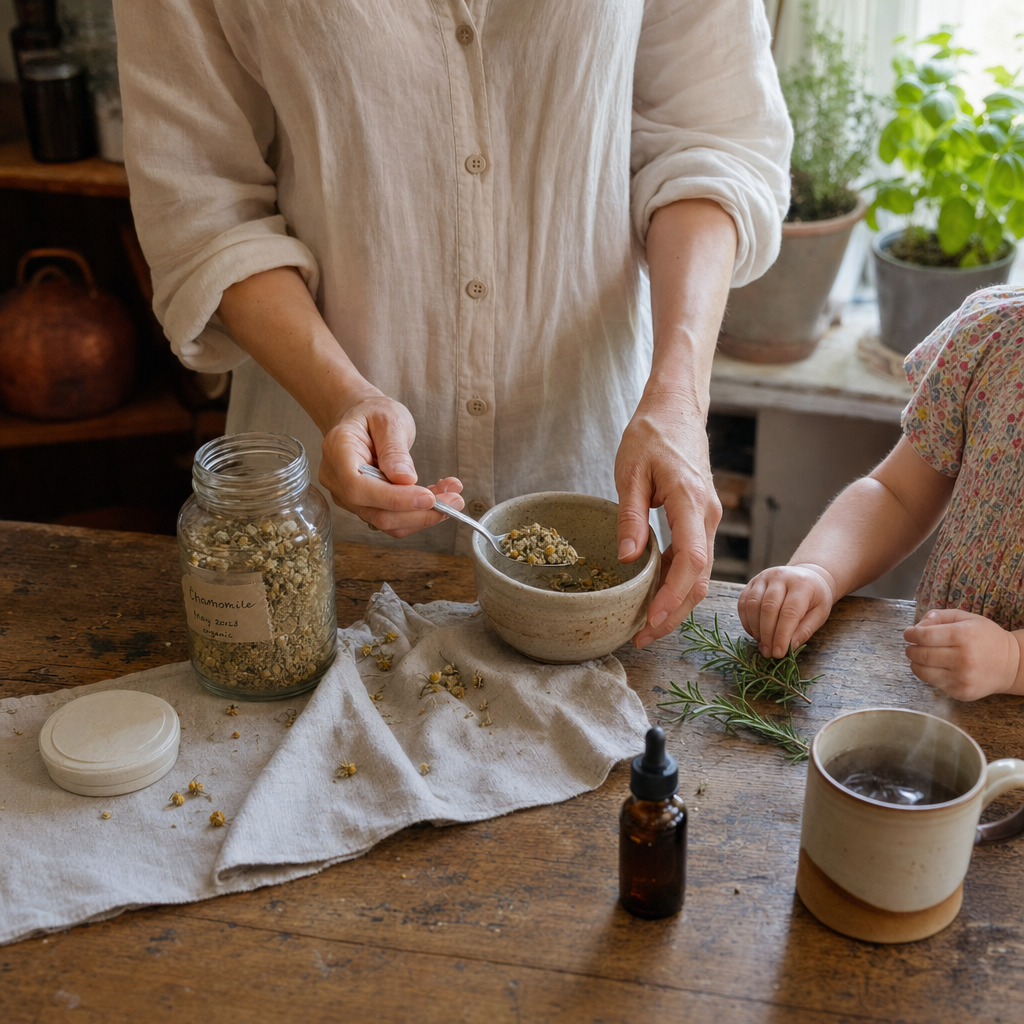
The Mother's Guide to Home Herbal Practices: Building Wellness Routines That Actually Work
Motherhood is a season of constant giving—and it's easy to let your own wellness slip to the bottom of the priority list. But here's what we know from working with hundreds of mothers: small, intentional herbal practices woven into your daily rhythm don't require perfection. They require consistency.
This guide walks you through building a documented home practice—a real, repeatable system for supporting your energy, rest, digestion, and emotional resilience using herbs that have been traditionally valued and studied for generations.
Why Home Practices Work for Moms
A herbal practice isn't complicated. It's simply a set of habits you return to, consistently, that support a specific wellness goal. The difference between grabbing a random tea and following a structured practice is the same as the difference between hoping you'll get fit and actually showing up to the gym three times a week.
For mothers, structured practices matter because:
They're predictable. You know what you're using, why, and when. No guessing.
They're sustainable. A practice built around herbs you already have—or can easily source—becomes part of your routine, not another thing to manage.
They're documented. When you write down what you're doing, you can notice what shifts for you. Energy changes. Sleep patterns. Digestion. You see it.
They're flexible. A practice isn't rigid. It adapts to your season—postpartum, high-stress work weeks, seasonal shifts, hormonal cycles.
The Four Pillars of a Mother's Home Practice
1. Energy & Clarity (Morning Ritual)
Many mothers wake already depleted. Rather than reaching for caffeine alone, a morning practice combines traditionally-used herbs with grounding habits.
The Practice:
- Start with warm water and lemon (hydration + gentle liver support)
- Follow with a cup of Holy Basil (Tulsi) tea or Rhodiola Rosea tea
- Pair with 5 minutes of intentional breathing or a short walk
About these herbs: Holy Basil has been traditionally used in Ayurvedic medicine to support mental clarity and calm focus. Rhodiola has been studied in clinical research for its potential to support sustained energy without the crash of stimulants. Together, they create what we call "alert calm"—the state mothers actually need.
How to document it: Keep a simple note on your phone or a sticky note on your kettle. Morning tea + how you felt by 10 a.m. After two weeks, patterns emerge.
2. Nervous System & Evening Ease (Wind-Down Ritual)
The second shift of motherhood—the evening hours when everyone needs something—is when your nervous system needs the most support.
The Practice:
- 30 minutes before bed: a cup of Chamomile or Passionflower tea
- Optional: Magnesium Glycinate (a mineral that may support relaxation)
- Pair with: no screens, a warm bath, or gentle stretching
About these herbs: Chamomile has been traditionally used for generations to support relaxation and ease tension. Passionflower is traditionally used to calm an overactive mind. Magnesium glycinate is a gentle mineral form that may support the nervous system without heaviness.
How to document it: Note the time you had tea and how you slept. Did you fall asleep faster? Wake fewer times? This helps you understand what works for your body.
3. Digestive Comfort (Midday Reset)
Mothers often eat standing up, rushed, or while solving someone else's problem. Digestion can suffer. A midday practice signals to your body that it's time to pause and process.
The Practice:
- After lunch: a cup of Lemon Balm tea or warm water with a pinch of ginger
- Sit for 5 minutes (even if it's in your car)
- Optional: Slippery Elm Bark mixed into warm milk if digestion feels particularly tender
About these herbs: Lemon Balm has been traditionally used to support gentle digestion and ease mild tension in the belly. Slippery Elm has been used traditionally to soothe the digestive tract. Both are gentle enough for daily use.
How to document it: Note bloating, energy crashes, or digestive ease. After a week, you'll see whether this ritual makes a difference for you.
4. Immune & Seasonal Support (Weekly Ritual)
Rather than waiting until illness strikes, a consistent practice may help build resilience year-round.
The Practice:
- 3–4 times per week: a cup of Elderberry tea or Astragalus Root tea
- During high-stress or seasonal-shift weeks: increase to daily
- Pair with: adequate sleep, hydration, and hand-washing (the unglamorous basics still matter)
About these herbs: Elderberry has been traditionally used to support immune function, particularly during seasonal transitions. Astragalus Root is used in traditional Chinese medicine to support overall resilience. Neither replaces basic hygiene, preventive care, or medical treatment—they complement your body's own capacity.
How to document it: Track illness frequency or duration. Did you get sick less often? Recover faster? This helps you understand what works for you.
How to Build Your Own Documented Practice
Step 1: Choose one pillar. Don't try all four at once. Pick the area where you need the most support right now—energy, sleep, digestion, or immunity.
Step 2: Select one or two herbs from that pillar. You don't need a cabinet full of remedies. Start simple.
Step 3: Commit to two weeks. This is the observation window. Consistency matters more than perfection.
Step 4: Document what you notice. Use a simple notebook, your phone, or a calendar. Energy level (1–10). Sleep quality. Digestion. Mood. Anything that shifts.
Step 5: Adjust. After two weeks, does this herb feel right for you? Does the timing work? Practices are living things—they evolve with you.
Safety & When to Seek Support
Herbal practices are generally gentle, but they're not neutral. Some herbs may interact with medications. Some aren't appropriate during pregnancy or breastfeeding. Some may not be right for your specific health situation.
Before starting any practice:
- Consult your healthcare provider about which herbs you're considering
- Check for potential interactions if you take medications
- If you're pregnant or breastfeeding, consult a qualified herbalist, midwife, or your OB/GYN
- If you have a chronic health condition, work with a practitioner who understands both your condition and herbal medicine
When to stop and seek professional support:
- If symptoms worsen
- If you experience unexpected reactions
- If your sleep, digestion, or energy doesn't improve after four weeks
- If you're unsure whether an herb is right for you
Always consult a qualified healthcare practitioner before using herbal remedies, especially if you're pregnant, breastfeeding, taking medications, or managing a health condition. Herbal remedies are not substitutes for medical treatment. This content is for educational purposes and should not replace professional medical advice.
The Real Power of a Practice
What makes a herbal practice work isn't magic. It's consistency, attention, and the willingness to notice what your body is telling you. When you document what you're doing and how you feel, you move from hoping something works to understanding what actually supports you—for you, in your life, in this season.
The mothers we work with report that after four weeks of a consistent practice, they don't just feel different. They feel like they've reclaimed a small piece of agency in their own wellness. They know what supports them. They can repeat it. They can teach it to their daughters.
That's the real gift of a home herbal practice: not just feeling better, but knowing how to care for yourself—and having the documented proof that it works for you.
Ready to explore which herbs and practices might support your wellness goals? Visit the remedy library at https://healingherbs.life/herbstack to explore full guides for each pillar—or take the free personalised practice guide to learn more about herbal support tailored to your unique needs and season of life.