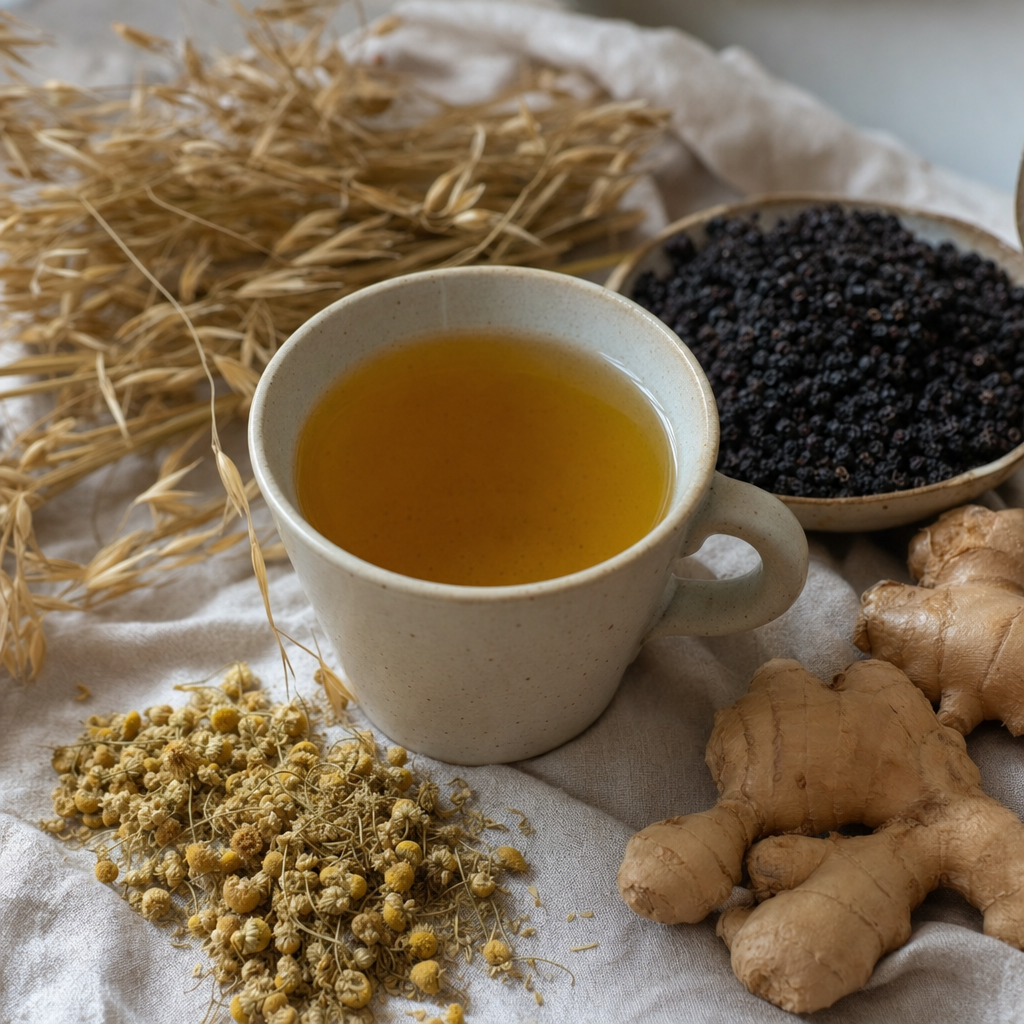
Natural Remedy Protocols for Busy Moms: Science-Backed Home Remedies You Can Make Today
Motherhood is a season of constant motion—feeding, soothing, managing, planning, and often forgetting to care for yourself in the process. When illness or discomfort arrives, reaching for a quick pharmaceutical fix feels natural, but many busy moms are discovering that simple, evidence-informed herbal remedies made at home can offer gentle, effective support without the complexity of multiple bottles or complicated protocols.
This guide walks you through accessible, science-backed herbal remedies that busy moms can prepare and use today—no special equipment, no obscure ingredients, and no overwhelming protocols. Each remedy is grounded in traditional use and supported by modern research where available, with clear safety information so you can make informed choices for your family.
What These Remedies Are
Natural remedy protocols for busy moms are simple herbal preparations—teas, infusions, syrups, and topical applications—made from whole herbs or dried plant material. Unlike commercial supplements, which are often standardised extracts or isolated compounds, these home remedies use the whole herb, preserving the complex mix of compounds that work synergistically. They're designed to be made with ingredients you can source easily, prepared in under 15 minutes, and used immediately or stored for the week ahead.
These protocols address the most common wellness concerns that arise in busy households: sleep disruption, seasonal immune support, gentle digestive comfort, stress and nervous-system fatigue, and minor body discomfort. They're not replacements for medical care, but rather supportive tools that fit into the reality of modern motherhood.
Traditional Uses and Why They Matter
Herbal remedies for family wellness have been used across cultures for thousands of years. European herbalism, Traditional Chinese Medicine, Ayurveda, and Indigenous plant knowledge all contain time-tested protocols for supporting rest, immunity, digestion, and emotional resilience. This long history of use provides valuable information: if a remedy has been safely used by millions of people across centuries, we have real-world safety data that laboratory studies alone cannot provide.
Traditional use doesn't mean 'proven' in the modern clinical sense, but it does mean the remedy has been tested by time and across diverse populations. Modern herbalists and researchers now study these traditional applications to understand the mechanisms behind them and to identify which preparations work best.
Evidence Summary: What Research Shows
Research on herbal remedies for family wellness is growing, though it remains less funded than pharmaceutical research. Here's what current evidence suggests:
Sleep and Relaxation Support: Chamomile, Passionflower, and Lemon Balm have been studied for their calming effects. According to the National Institutes of Health (NIH), chamomile contains compounds that may interact with receptors in the brain associated with relaxation. A 2016 study published in Phytomedicine found that chamomile extract was associated with improved sleep quality in older adults. Passionflower has been traditionally used across cultures for nervous tension, and some clinical trials suggest it may help ease restlessness.
Immune System Support: Elderberry, Echinacea, and Astragalus Root have long histories in traditional medicine for seasonal immune support. The European Medicines Agency (EMA) recognises Echinacea as a traditional herbal remedy for supporting the immune system during seasonal challenges. Elderberry contains anthocyanins and other compounds that research suggests may support immune function, though the evidence remains mixed on severity reduction.
Digestive Comfort: Ginger, Fennel, and Slippery Elm Bark are traditionally used to support gentle digestion. According to NIH NCCIH, ginger has been studied for its effects on digestive comfort, with some evidence suggesting it may help ease mild nausea and support healthy digestion.
Stress and Nervous System Support: Holy Basil (Tulsi), Rhodiola Rosea, and Oat Straw are classified as adaptogens—herbs traditionally used to help the body manage stress. Research published in Phytotherapy Research suggests that Holy Basil may help support a healthy stress response, though more large-scale studies are needed.
It's important to note: traditional use and emerging research do not equal pharmaceutical-level proof. These remedies work gently and are best understood as supportive tools within a broader wellness approach that includes sleep, nutrition, movement, and professional care when needed.
Five Simple Remedies You Can Make Today
1. Chamomile Sleep Tea for Evening Calm
What it does: Chamomile is traditionally used to support relaxation and restful sleep. It contains apigenin, a compound that research suggests may interact with receptors in the brain associated with calmness.
How to make it:
- Steep 1 to 2 teaspoons of dried chamomile flowers in 8 ounces of hot (not boiling) water for 5 to 10 minutes.
- Strain and drink 30 to 60 minutes before bed.
- You can add a touch of honey or a squeeze of lemon if desired.
How to use it: Drink one cup in the evening, 3 to 5 nights per week, or as needed. This remedy is gentle enough for older children (over age 2) in smaller amounts, though consult a healthcare provider before giving herbal remedies to young children.
Storage: Fresh chamomile tea is best consumed immediately, but you can prepare a batch of dried flowers in a glass jar and store in a cool, dark place for up to one year.
Safety notes: Chamomile is generally well-tolerated. However, people with ragweed allergies should use caution, as chamomile is botanically related to ragweed. If you're taking blood thinners or sedative medications, consult your healthcare provider before regular use.
---
2. Elderberry Syrup for Seasonal Immune Support
What it does: Elderberry is traditionally used across European and North American herbalism to support immune function during seasonal challenges. It contains anthocyanins and other polyphenols that research suggests may support the body's natural defences.
How to make it:
- Combine 1 cup of dried elderberries, 3 cups of water, and 1 cinnamon stick in a pot.
- Bring to a gentle simmer and cook for 20 to 30 minutes until the liquid reduces by about one-third.
- Strain through a fine mesh or cheesecloth, pressing gently to extract all liquid.
- Add 1 cup of raw honey (or maple syrup for a vegan option) and stir until fully dissolved.
- Store in a glass jar in the refrigerator for up to 3 weeks.
How to use it: Take 1 teaspoon daily as a preventive during seasonal challenges, or 1 teaspoon three times daily at the first sign of seasonal illness. Children over age 1 can take half a teaspoon, though honey should not be given to infants under 12 months.
Storage: Keep refrigerated in a glass jar. If mould appears, discard and make a fresh batch.
Safety notes: Elderberry is generally safe for most people. However, if you have an autoimmune condition, consult your healthcare provider before regular use, as some research suggests elderberry may stimulate immune activity. Avoid elderberry if you're taking immunosuppressant medications.
---
3. Ginger-Lemon Digestive Tea for Gentle Comfort
What it does: Ginger is traditionally used across Ayurveda and Traditional Chinese Medicine to support healthy digestion and ease mild discomfort. Modern research suggests ginger contains gingerols and shogaols, compounds that may help support digestive comfort and reduce mild nausea.
How to make it:
- Slice a 1-inch piece of fresh ginger root (no need to peel).
- Add to 8 ounces of hot water and steep for 5 to 10 minutes.
- Strain and add juice from half a fresh lemon.
- Sweeten with honey if desired.
How to use it: Drink one cup after meals, or as needed for digestive support. This remedy is gentle and can be used daily.
Storage: Fresh ginger tea is best consumed immediately, but you can prepare ginger slices in advance and store them in the refrigerator for up to one week.
Safety notes: Ginger is well-tolerated by most people. However, if you're taking blood thinners (such as warfarin), consult your healthcare provider, as ginger may have mild anticoagulant properties. Avoid ginger if you have a bleeding disorder. Ginger is generally safe during pregnancy in moderate amounts, but consult your healthcare provider if you're pregnant or nursing.
---
4. Oat Straw Infusion for Nourishment and Calm
What it does: Oat Straw (Avena Sativa) is traditionally used in Western herbalism as a nourishing tonic for the nervous system. It's rich in minerals including calcium, magnesium, and silica, which support overall wellness during stressful seasons.
How to make it:
- Place 1 ounce (about 1 cup loosely packed) of dried Oat Straw in a quart-sized glass jar.
- Pour 1 quart of hot (just-boiled) water over the herb.
- Cover and let steep for 4 to 8 hours (or overnight).
- Strain and drink throughout the day, warm or chilled.
- You can store the infusion in the refrigerator for up to 48 hours.
How to use it: Drink 1 to 2 cups daily during stressful seasons or ongoing for gentle nourishment. This is a mild, food-like remedy suitable for most people.
Storage: Keep refrigerated and consume within 48 hours.
Safety notes: Oat Straw is very safe for most people, including children and during pregnancy. However, if you have celiac disease or gluten sensitivity, ensure your dried Oat Straw is certified gluten-free, as oats can be contaminated with wheat during processing.
---
5. Honey-Thyme Throat Syrup for Seasonal Comfort
What it does: Thyme is traditionally used in European herbalism to support respiratory comfort, and honey is well-known for its soothing properties. Together, they create a gentle remedy for throat comfort during seasonal challenges.
How to make it:
- Fill a clean glass jar halfway with fresh or dried thyme.
- Cover completely with raw honey, stirring gently to remove air bubbles.
- Cover the jar and let sit at room temperature for 2 to 4 weeks, stirring occasionally.
- Strain through cheesecloth and store in a glass jar.
How to use it: Take 1 teaspoon as needed for throat comfort, or add to warm water to make a soothing drink. Children over age 1 can take half a teaspoon.
Storage: Store at room temperature in a sealed glass jar for up to one year. The honey acts as a natural preservative.
Safety notes: This remedy is safe for most people. However, do not give honey to infants under 12 months due to the risk of botulism. If you have a severe honey allergy, avoid this remedy. Thyme is generally safe, but if you're pregnant or nursing, use in moderation and consult your healthcare provider.
---
How to Build a Simple Home Remedy Kit
You don't need much to get started. Here's a minimal kit for busy moms:
- Dried Chamomile flowers (for sleep and calm)
- Dried Elderberries (for seasonal immune support)
- Fresh Ginger root (for digestion)
- Dried Oat Straw (for nourishment)
- Dried Thyme (for throat comfort)
- Raw Honey (for syrups and soothing)
- Dried Lemon Balm (for gentle calming)
Store dried herbs in glass jars in a cool, dark place. Most dried herbs remain potent for 6 to 12 months. Label everything with the herb name and date purchased.
Safety Notes and Important Considerations
When to consult a healthcare provider:
- If symptoms persist beyond 7 to 10 days
- If you're pregnant or nursing (some herbs are not appropriate during these times)
- If you're taking prescription medications (some herbs may interact)
- If you have a chronic health condition
- If symptoms worsen or new symptoms develop
Herb-drug interactions: Some herbs can interact with medications. For example, St. John's Wort can reduce the effectiveness of birth control pills, and ginger may enhance blood thinners. Always inform your healthcare provider about any herbs you're using regularly.
Allergies and sensitivities: If you have known allergies to plants in the Asteraceae family (ragweed, chrysanthemums, daisies), use chamomile with caution. If you have a shellfish allergy, be aware that some herbal products may be processed in facilities that also process shellfish.
Quality and sourcing: Purchase dried herbs from reputable suppliers who test for contaminants and pesticides. Organic certification is a good indicator of quality, though not a guarantee.
Dosage for children: Herbal remedies for children should be used cautiously and in smaller amounts. Always consult a qualified healthcare practitioner before giving herbal remedies to children under age 5.
Who Should Avoid These Remedies
- Pregnant women: Some herbs are not safe during pregnancy. Consult your healthcare provider before using any herbal remedy if you're pregnant.
- Nursing mothers: While many herbs are safe during breastfeeding, some may pass into breast milk. Speak with your healthcare provider before using herbal remedies regularly while nursing.
- People with autoimmune conditions: Some immune-supporting herbs may not be appropriate if you have an autoimmune disorder. Consult your healthcare provider.
- People taking blood thinners: Ginger and other herbs may interact with anticoagulant medications. Always inform your doctor.
- People with severe allergies: If you have multiple plant allergies, introduce new herbs cautiously and watch for reactions.
- Young children: Herbal remedies for children under age 5 should only be used under professional guidance.
Practitioner Disclaimer
This guide is for educational purposes only and is not intended to diagnose, treat, cure, or prevent any disease. The information provided is based on traditional use and emerging research, but it is not a substitute for professional medical advice, diagnosis, or treatment.
Always consult a qualified healthcare practitioner before using herbal remedies, especially if you are pregnant, nursing, taking medications, or have a chronic health condition. Herbal remedies work gently and are best used as part of a comprehensive wellness approach that includes adequate sleep, balanced nutrition, regular movement, stress management, and professional medical care when needed.
If you experience any adverse reactions to an herbal remedy, discontinue use immediately and consult a healthcare provider.