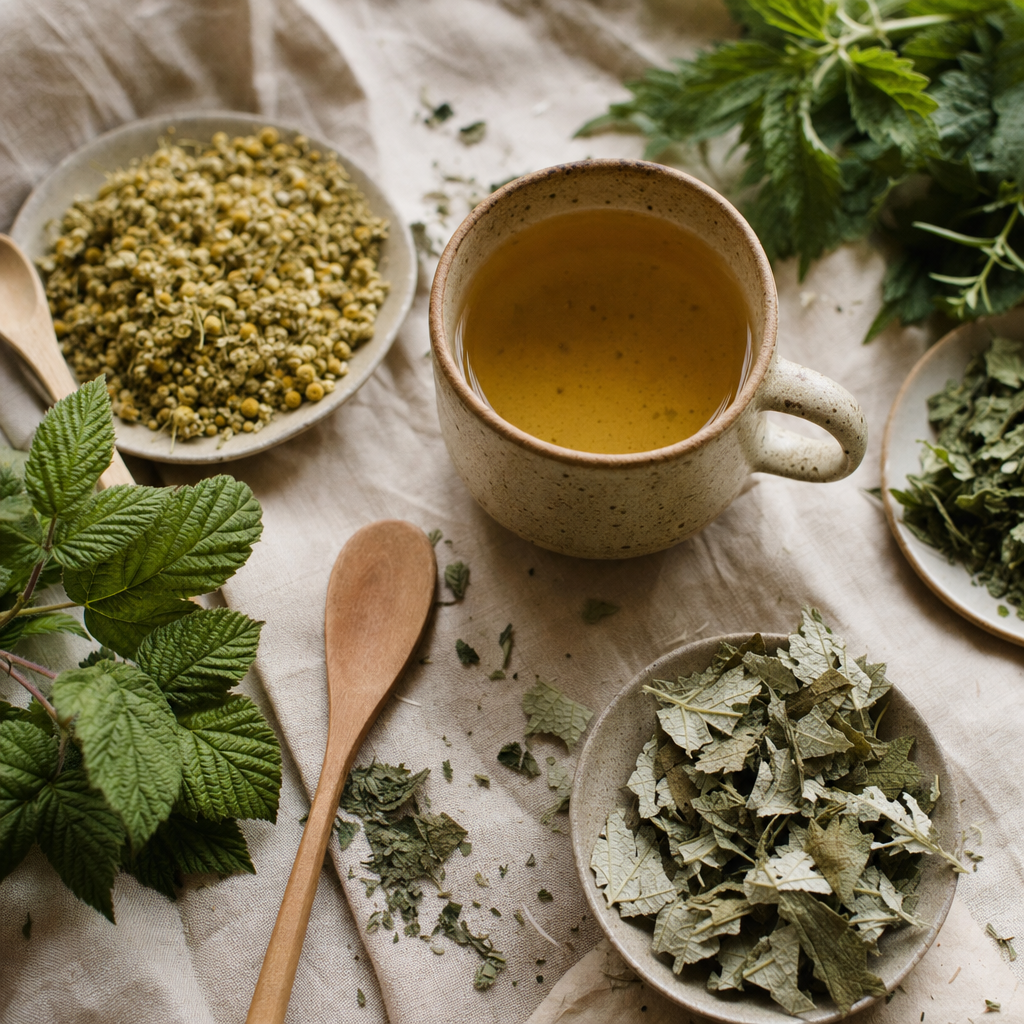
Natural Remedies for Moms: A Guide to Home Herbal Wellness
Motherhood is a season of profound transformation—physically, emotionally, and spiritually. Whether you're navigating the postpartum period, managing the daily demands of parenting, or seeking gentle support for your body's changing needs, herbal remedies offer a time-honoured toolkit for wellness that honours both your capacity and your humanity.
This guide introduces you to accessible, evidence-informed herbal remedies designed specifically for mothers. These are not replacements for medical care, but rather gentle allies you can prepare at home to support energy, rest, emotional resilience, and body comfort during this demanding season.
Why Herbs for Mothers?
Herbal traditions across cultures have long recognised that mothers need specific support. Postpartum recovery, hormonal shifts, sleep deprivation, and the emotional weight of caregiving all call for nourishment that goes beyond nutrition alone.
Modern research is beginning to validate what traditional herbalists have known for centuries. According to the National Institutes of Health's National Center for Complementary and Integrative Health (NIH NCCIH), many herbs traditionally used for women's health contain bioactive compounds that may help support the body's natural processes. The European Medicines Agency (EMA) has similarly recognised several herbs as having a long history of traditional use for women's wellness.
The remedies in this guide are drawn from the HerbStack protocol library—a curated collection of herbs that have both traditional support and emerging scientific interest for maternal wellness.
Core Herbs for Maternal Wellness
Nettle Leaf (Urtica dioica)
What It Is
Nettle leaf is a nutrient-dense herb long celebrated in traditional herbalism as a postpartum tonic. Rich in minerals including iron, calcium, magnesium, and silica, nettle leaf has been used across European, Ayurvedic, and Traditional Chinese Medicine systems to support recovery and vitality.
Traditional Uses
Nettle leaf is traditionally used to support:
- Postpartum recovery and nourishment
- Energy and vitality during demanding seasons
- Bone and connective tissue health
- Gentle nutritive support for lactation
Evidence Summary
Research suggests nettle leaf contains high concentrations of minerals and phytonutrients. A review in the Journal of Herbal Medicine noted that nettle's mineral profile makes it a valuable nutritive herb, though more clinical research is needed to establish specific health outcomes. The EMA recognises nettle leaf as having a long history of traditional use for general wellness.
How to Prepare and Use
The best way to access nettle's nutritive benefits is through a long infusion—a slow, mineral-extracting brew that differs from a standard tea.
Nettle Leaf Infusion (Nourishing Tonic):
- Place 1 ounce (approximately 1 cup) of dried nettle leaf in a quart-sized jar
- Pour 1 quart of freshly boiled water over the herbs
- Cover and let steep for 4–8 hours (or overnight)
- Strain and drink 1–2 cups daily, warm or chilled
- Store in the refrigerator for up to 3 days
This infusion can be sipped throughout the day or enjoyed as part of your morning routine. Many mothers find it grounding and sustaining.
Safety Notes
Nettle leaf is generally well-tolerated. However, those with kidney disease should consult a healthcare practitioner before use. If you are taking blood thinners or diuretics, speak with your doctor, as nettle may have mild diuretic properties. Nettle is safe during lactation and is traditionally used to support milk supply, though individual responses vary.
Who Should Avoid It
Avoid nettle if you have a known allergy to plants in the Urticaceae family. Those with severe kidney or heart conditions should consult a qualified healthcare practitioner before use.
Oat Straw (Avena sativa)
What It Is
Oat straw—the aerial parts of the oat plant harvested before the grain matures—is a gentle, nourishing herb traditionally used to support nervous system resilience and emotional wellbeing.
Traditional Uses
Oat straw is traditionally used to support:
- Nervous system calm and resilience during stress
- Sleep quality and restful recovery
- Emotional balance and mood support
- General vitality and energy
Evidence Summary
Oat straw contains compounds including avenins and beta-glucans. Research published in Phytotherapy Research suggests that oat preparations may help support relaxation and emotional wellbeing, though more clinical studies are needed. The herb has a long history of traditional use across European herbalism and is recognised by the EMA as having traditional support for nervous system wellness.
How to Prepare and Use
Like nettle leaf, oat straw is best prepared as a long infusion to extract its full spectrum of benefits.
Oat Straw Infusion (Nervous System Support):
- Place 1 ounce of dried oat straw in a quart jar
- Pour 1 quart of freshly boiled water over the herbs
- Cover and steep for 4–8 hours
- Strain and drink 1–2 cups daily
- Store in the refrigerator for up to 3 days
Many mothers drink oat straw infusion in the afternoon to ease into evening, or as part of a wind-down routine before bed.
Safety Notes
Oat straw is very gentle and well-tolerated by most people. Those with celiac disease or gluten sensitivity should use certified gluten-free oat straw, as oats can be cross-contaminated during processing. Oat straw is safe during pregnancy and lactation.
Who Should Avoid It
Avoid oat straw if you have a known allergy to oats or grasses. Those with severe digestive conditions should consult a healthcare practitioner before use.
Lemon Balm (Melissa officinalis)
What It Is
Lemon balm is a gentle, aromatic herb from the mint family, traditionally used to support calm, focus, and emotional ease. Its bright, uplifting scent makes it a pleasure to work with.
Traditional Uses
Lemon balm is traditionally used to support:
- Calm and relaxation during stressful moments
- Mental clarity and gentle focus
- Digestive comfort and ease
- Emotional resilience and mood support
Evidence Summary
Lemon balm contains rosmarinic acid and other polyphenols. Research in Phytomedicine suggests that lemon balm may help support relaxation and cognitive function, though studies remain limited. The EMA recognises lemon balm as having traditional use for nervous system and digestive wellness.
How to Prepare and Use
Lemon balm is versatile and can be prepared several ways:
Fresh Lemon Balm Tea (Quick Calm):
- Steep 1–2 teaspoons of fresh lemon balm leaves in 8 ounces of hot water for 5–10 minutes
- Strain and drink warm, or chill for an afternoon refresher
- Prepare fresh as needed
Dried Lemon Balm Infusion (Evening Ease):
- Steep 1 teaspoon of dried lemon balm in 8 ounces of hot water for 10 minutes
- Drink 1–2 cups daily, especially in the evening
Lemon balm pairs beautifully with chamomile or passionflower for enhanced relaxation support.
Safety Notes
Lemon balm is very gentle and well-tolerated. It is safe during pregnancy and lactation. Some people may experience mild drowsiness; if so, avoid driving or operating machinery.
Who Should Avoid It
Avoid lemon balm if you have a known allergy to plants in the Lamiaceae (mint) family. Those taking sedative medications should consult a healthcare practitioner before combining with lemon balm.
Chamomile (Matricaria chamomilla)
What It Is
Chamomile is one of the world's most beloved herbal remedies—gentle, widely accessible, and deeply calming. The dried flowers have been used for centuries to support rest, digestion, and emotional ease.
Traditional Uses
Chamomile is traditionally used to support:
- Sleep quality and restful recovery
- Digestive comfort and gentle ease
- Calm and relaxation during stress
- Emotional balance and mood support
Evidence Summary
Chamomile contains apigenin and other flavonoids with calming properties. Research in the Journal of Clinical Psychopharmacology found that chamomile may help support relaxation and sleep quality. The American Herbal Pharmacopoeia recognises chamomile as having traditional use for nervous system and digestive wellness. The EMA similarly notes chamomile's long history of traditional use.
How to Prepare and Use
Chamomile Tea (Bedtime Ritual):
- Steep 1–2 teaspoons of dried chamomile flowers in 8 ounces of hot water for 5–10 minutes
- Strain and drink warm before bed, or anytime you need calm
- Prepare fresh as needed, or make a larger batch to refrigerate
Chamomile and Honey Blend (Soothing Comfort):
- Prepare chamomile tea as above
- Stir in 1 teaspoon of raw honey (if desired)
- Drink warm for extra comfort
Chamomile is safe for children and can be offered in small amounts to support their rest as well.
Safety Notes
Chamomile is very gentle and well-tolerated by most people. However, those with allergies to plants in the Asteraceae family (including ragweed, chrysanthemum, and daisy) may experience cross-reactivity. If you have a known ragweed allergy, consult a healthcare practitioner before use. Chamomile is safe during pregnancy and lactation.
Who Should Avoid It
Avoid chamomile if you have a known allergy to the Asteraceae family. Those taking blood thinners should consult a healthcare practitioner, as chamomile may have mild anticoagulant properties.
Passionflower (Passiflora incarnata)
What It Is
Passionflower is a climbing vine with striking purple flowers, traditionally used across European and Indigenous herbalism to support calm and restful sleep. Its gentle action makes it especially valuable during seasons of high stress or emotional intensity.
Traditional Uses
Passionflower is traditionally used to support:
- Calm and relaxation during anxiety or worry
- Sleep quality and restful recovery
- Nervous system resilience during stress
- Emotional ease and mood support
Evidence Summary
Passionflower contains flavonoids and alkaloids. Research in Phytotherapy Research suggests that passionflower may help support relaxation and sleep quality, particularly during periods of mild stress. The EMA recognises passionflower as having traditional use for nervous system wellness.
How to Prepare and Use
Passionflower Tea (Evening Calm):
- Steep 1–2 teaspoons of dried passionflower aerial parts in 8 ounces of hot water for 10 minutes
- Strain and drink warm, 1–2 cups daily, especially in the evening
- Prepare fresh or refrigerate for up to 3 days
Passionflower and Lemon Balm Blend (Relaxation Duo):
- Combine equal parts dried passionflower and dried lemon balm
- Steep 1–2 teaspoons of the blend in 8 ounces of hot water for 10 minutes
- Drink warm before bed or during moments of stress
Safety Notes
Passionflower is generally well-tolerated. Some people may experience mild drowsiness; if so, avoid driving or operating machinery. Passionflower is safe during pregnancy and lactation, though consult a healthcare practitioner if you have concerns.
Who Should Avoid It
Avoid passionflower if you have a known allergy to plants in the Passifloraceae family. Those taking sedative medications or MAOIs should consult a healthcare practitioner before use. Passionflower should not be used if you are pregnant and at risk of miscarriage, though it is generally considered safe during normal pregnancy.
Rhodiola Rosea
What It Is
Rhodiola is an adaptogenic herb—meaning it helps the body adapt to stress—traditionally used in Scandinavian and Russian herbalism to support energy, resilience, and mental clarity during demanding seasons.
Traditional Uses
Rhodiola is traditionally used to support:
- Energy and vitality during fatigue or stress
- Mental clarity and focus
- Emotional resilience and mood support
- Physical endurance and recovery
Evidence Summary
Rhodiola contains rosavins and salidroside, compounds with adaptogenic properties. Research in Phytomedicine suggests that rhodiola may help support energy and cognitive function during periods of stress, though more clinical studies are needed. The EMA recognises rhodiola as having traditional use for fatigue and stress support.
How to Prepare and Use
Rhodiola Tincture (Energy Support):
- Take 1–2 millilitres (approximately 20–40 drops) of rhodiola tincture in water or tea, once or twice daily
- Best taken in the morning or early afternoon to support daytime energy
- Consult the product label for specific dosing
Rhodiola Tea (Gentle Vitality):
- Steep 1 teaspoon of dried rhodiola root in 8 ounces of hot water for 10 minutes
- Strain and drink once daily, preferably in the morning
- Prepare fresh or refrigerate for up to 3 days
Safety Notes
Rhodiola is generally well-tolerated. Some people may experience mild stimulation or restlessness; if so, reduce the dose or discontinue use. Rhodiola is safe during lactation, though consult a healthcare practitioner if you have concerns. Avoid rhodiola during pregnancy unless advised by a qualified practitioner.
Who Should Avoid It
Avoid rhodiola if you have bipolar disorder, as it may trigger manic episodes. Those taking stimulant medications or SSRIs should consult a healthcare practitioner before use. Avoid rhodiola if you are pregnant or planning to become pregnant.
Building Your Home Remedy Routine
The most effective herbal practice is one you'll actually use. Rather than trying to incorporate all these herbs at once, consider starting with one or two that resonate with your current needs.
For postpartum recovery: Begin with nettle leaf infusions as your foundational tonic, taken daily for several weeks or months.
For sleep and evening ease: Combine chamomile and passionflower tea as part of a wind-down ritual 30–60 minutes before bed.
For daytime calm and focus: Sip lemon balm tea during moments of stress, or prepare it fresh throughout the day.
For energy during fatigue: Take rhodiola in the morning, particularly during seasons of high demand.
For nervous system resilience: Drink oat straw infusions in the afternoon or evening to build long-term calm and grounding.
Many mothers find that preparing herbs becomes a self-care ritual in itself—a moment to pause, nourish yourself, and acknowledge your own needs alongside those of your family.
Safety Considerations for Mothers
Pregnancy: If you are pregnant, consult a qualified healthcare practitioner before using any herbal remedy. Some herbs in this guide are safe during pregnancy; others are not.
Lactation: Most herbs in this guide are safe during breastfeeding. However, individual responses vary. If you notice any changes in your baby's behaviour or your milk supply, discontinue use and consult a healthcare practitioner.
Medications: Herbs can interact with certain medications. If you are taking prescription medications, particularly blood thinners, sedatives, or hormone-related medications, consult a healthcare practitioner before using herbal remedies.
Allergies: If you have known allergies to plants or pollen, consult a healthcare practitioner before use, particularly with chamomile and ragweed-related allergies.
Quality and Sourcing: Purchase dried herbs and herbal products from reputable suppliers. Look for organic certification where possible, and ensure herbs are properly stored in cool, dry conditions to maintain potency.
Dosage: The dosages provided in this guide are general recommendations. Individual needs vary based on age, health status, and other factors. Start with lower doses and adjust as needed, or consult a qualified herbalist for personalised guidance.
When to Seek Professional Support
Herbal remedies are wonderful allies, but they are not replacements for medical care. Seek professional support if you experience:
- Severe postpartum depression, anxiety, or intrusive thoughts
- Persistent insomnia that does not improve with herbal support
- Unexplained fatigue or energy loss
- Significant changes in mood or emotional wellbeing
- Physical symptoms that concern you or persist beyon