HerbStack Myths vs. Facts: What You Really Need to Know
Myth #1: "All Natural Means It's Always Safe"
The Fact: Natural doesn't automatically equal safe for everyone. While herbs have been used for centuries, they can interact with medications, affect certain health conditions, and trigger allergies in sensitive individuals. HerbStack products are carefully formulated and labeled, but they're not one-size-fits-all solutions. Always check with your healthcare provider before starting any new herbal regimen, especially if you're pregnant, nursing, taking medications, or managing a chronic condition.
---
Myth #2: "Herbal Remedies Work Instantly"
The Fact: Herbs work differently than pharmaceuticals. Most herbal support builds gradually in your system over days or weeks of consistent use. Some people notice shifts within a few days; others need 2–4 weeks to feel a meaningful difference. Patience and consistency matter more than speed. Think of herbal support as gentle, cumulative care rather than a quick fix.
---
Myth #3: "If a Little Helps, More Will Help Faster"
The Fact: This is a common misconception that can backfire. Taking more than the recommended dose doesn't accelerate results—it can cause digestive upset, headaches, or other unwanted effects. HerbStack dosing is designed based on traditional use and safety research. Stick to the label instructions. More isn't better; appropriate is.
---
Myth #4: "Herbal Supplements Can Replace Medical Treatment"
The Fact: Herbs are wonderful complementary tools, not replacements for medical care. If you have a diagnosed condition, are experiencing severe symptoms, or are on prescription medications, work with both your doctor and a qualified herbalist. HerbStack is designed to support your wellness routine alongside—never instead of—professional medical guidance.
---
Myth #5: "All Herbal Brands Are the Same"
The Fact: Quality varies dramatically. HerbStack prioritizes sourcing, testing, and transparency. Not all brands do. Look for third-party testing, clear ingredient lists, and honest labeling. Cheaper isn't always better when it comes to herbs—potency, purity, and safety matter.
---
Myth #6: "You Can't Take Herbs If You're on Medications"
The Fact: This is overstated but not entirely false. Some herbs interact with some medications. St. John's Wort and blood thinners, for example, don't mix well. But many herbs are safe alongside common medications. The key is disclosure and research. Tell your doctor and pharmacist about any herbal products you're using, and ask them directly about interactions.
---
Myth #7: "Herbal Teas Are Just Hot Water with Flavor"
The Fact: A properly steeped herbal tea is a functional remedy. The steeping time, water temperature, and herb-to-water ratio all affect how many beneficial compounds end up in your cup. A 5-minute steep of chamomile is different from a 10-minute steep—the longer infusion extracts more of the plant's traditionally calming properties.
---
Myth #8: "Herbal Support Works the Same for Everyone"
The Fact: Individual responses to herbs vary based on body chemistry, existing health conditions, medications, diet, and lifestyle factors. What provides noticeable support for one person may work differently for another. This is why starting with lower doses, tracking your personal response, and adjusting with professional guidance matters. Herbal support is personalized support—there's no universal timeline or outcome.
---
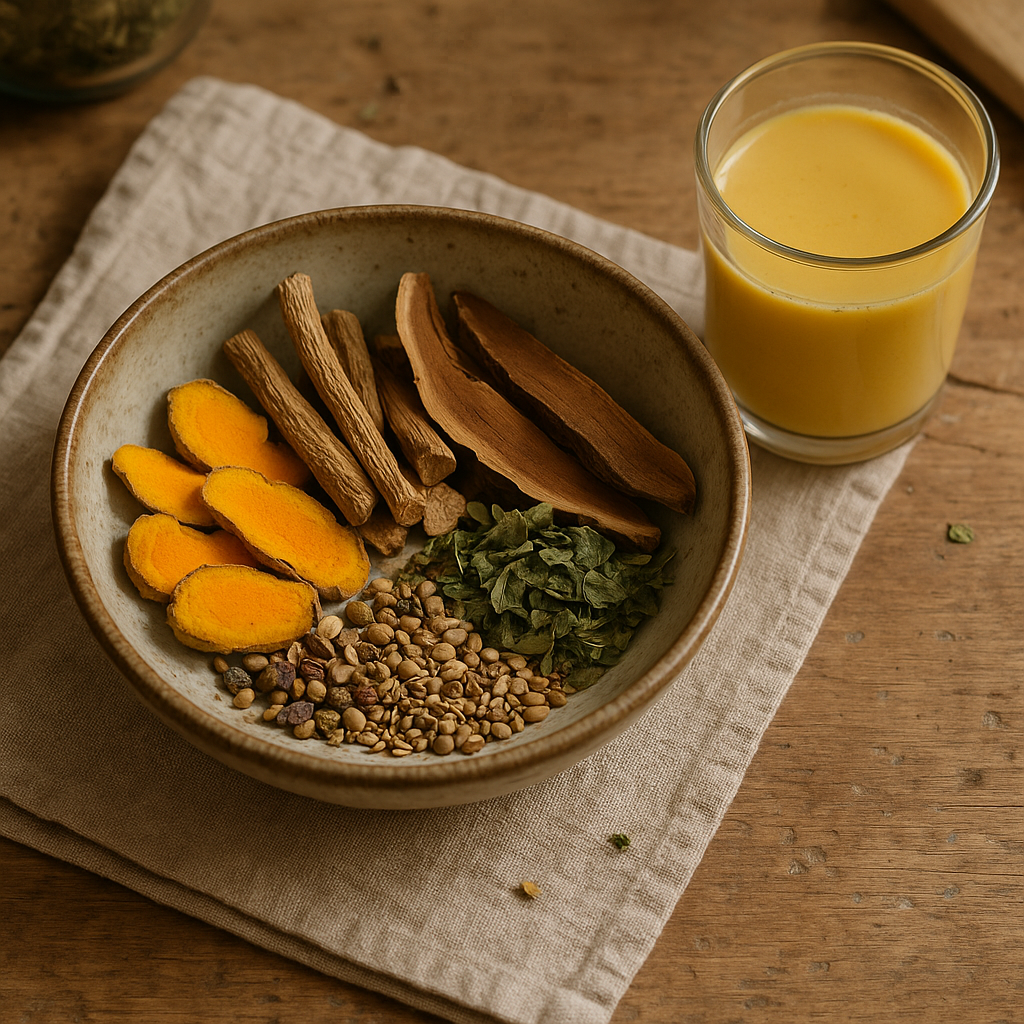
DIY Golden Milk Latte: A Warming Evening Ritual
This warming, naturally sweet drink combines turmeric, ginger, and warming spices traditionally used in wellness practices. It's perfect as an evening wind-down or a cozy afternoon treat.
Ingredients:
- 1 cup unsweetened almond milk (or milk of choice)
- ½ teaspoon ground turmeric
- ¼ teaspoon ground ginger
- Pinch of black pepper (enhances turmeric absorption)
- ¼ teaspoon ground cinnamon
- Small pinch of cardamom (optional, adds warmth)
- ½ teaspoon raw honey or maple syrup
- Pinch of sea salt
Step-by-Step Instructions:
1. Warm your milk gently in a small saucepan over medium heat. Don't let it boil—you want it steaming but not scalding.
2. Add turmeric, ginger, cinnamon, and cardamom to the warm milk. Stir well to combine, breaking up any clumps of turmeric.
3. Add black pepper. This small addition is key—piperine in black pepper is traditionally believed to enhance turmeric's bioavailability, meaning your body may better utilize its beneficial compounds.
4. Simmer gently for 2–3 minutes, stirring occasionally. This allows the spices to fully infuse into the milk.
5. Remove from heat. Pour into your favorite mug.
6. Stir in honey and sea salt. The salt rounds out the flavor and adds a subtle mineral note. Honey adds natural sweetness without overpowering the spices.
7. Taste and adjust. Add more honey if you prefer it sweeter, or a pinch more turmeric if you want deeper flavor.
8. Sip slowly while warm. This is a ritual, not a race.
Storage & Prep Tips:
- Make a batch of "golden milk paste" by mixing turmeric, ginger, cinnamon, and coconut oil into a thick paste. Store in a glass jar in the fridge for up to 2 weeks. Then simply add 1 teaspoon to warm milk when you want a quick latte.
- This recipe serves 1. Double or triple as needed.
Important Safety Notes:
- Turmeric may interact with blood thinners and certain diabetes medications. If you're on these, consult your healthcare provider before regular use.
- Not recommended during pregnancy without professional guidance.
- If you have gallbladder issues, consult your doctor before regular turmeric use.
- This is a supportive beverage intended to complement a balanced wellness routine. It is not formulated to treat, cure, or prevent any disease or medical condition.
- Individual responses vary. Discontinue use and consult a healthcare provider if you experience adverse reactions.
---